

Marketing has always been the backbone of business growth. Its goal is simple—reach customers, influence them, and drive sales. Marketing strategies have changed throughout time. In the past, companies relied heavily on traditional marketing techniques like TV commercials, newspaper ads, radio jingles, posters, and billboards.
However, the emergence of cellphones and the internet brought about a significant shift in consumer behavior. People now spend more time online than ever before, leading to the dominance of digital marketing—a cost-effective, measurable, and faster way to reach audiences. With this growing importance, many professionals and entrepreneurs are choosing to enroll in a digital marketing course to master modern strategies and tools. If you are from NCR, opting for a digital marketing course in Sohna can be a smart way to gain practical skills and industry knowledge.
In this blog, we’ll explore how digital marketing differs from traditional marketing, their pros and cons, and why digital marketing has become essential for businesses in 2025.
What is Traditional Marketing?
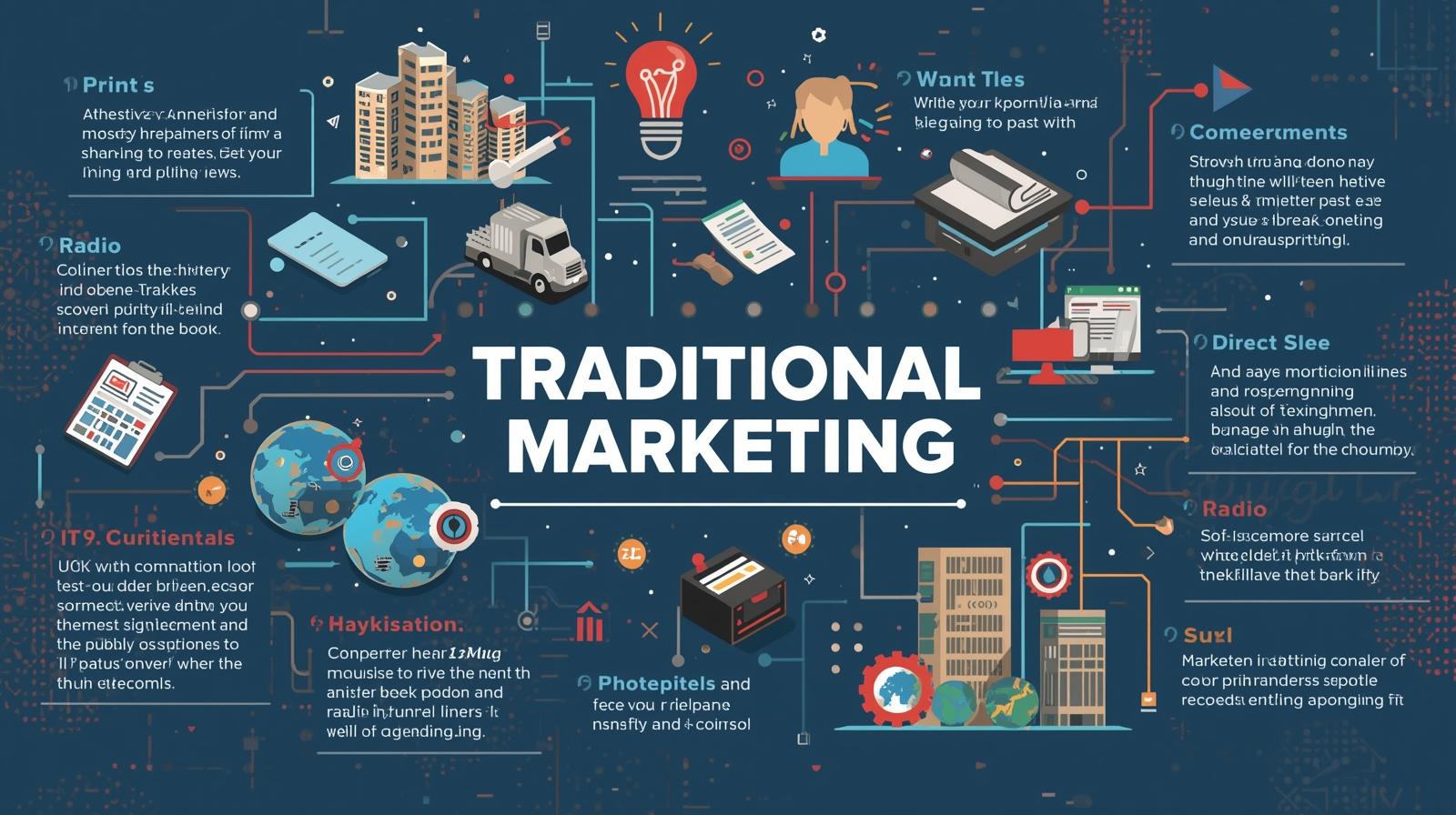
Traditional marketing refers to advertising methods that rely on offline channels and have been used for decades.
Examples include:
- Television and radio advertisements
- Newspaper and magazine ads
- Billboards, posters, and banners
- Flyers and direct mail
Advantages:
- Strong reach for local and offline audiences
- Builds trust and credibility
- Effective for older generations and non-digital users
Limitations:
- Expensive, especially TV and print advertising
- Difficult to measure ROI (Return on Investment)
- Limited reach compared to digital platforms
- Time-consuming and less flexible
What is Digital Marketing?
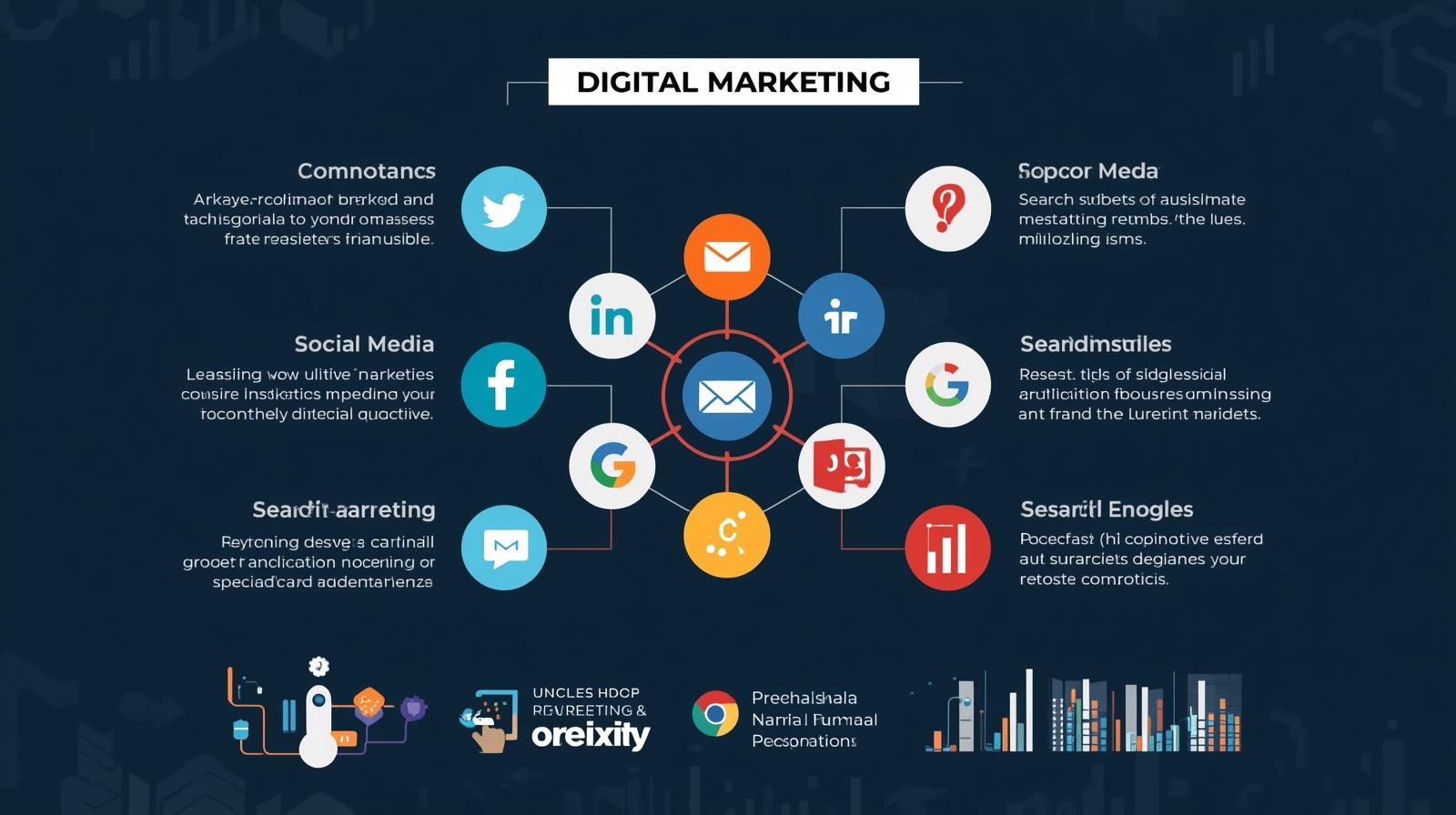
Using online tools like search engines, email, websites, and social media, digital marketing helps businesses promote their products and services effectively. Many learners today start their journey by enrolling in the best digital marketing course, which covers practical skills like SEO, PPC, and social media marketing.
Examples include:
- Google Ads and SEO campaigns (learning through the best SEO course can help you master this skill)
- Facebook and Instagram ads
- YouTube videos and influencer collaborations
- Email campaigns and newsletters
Advantages:
- Affordable and scalable for any business size
- Global reach with precision targeting
- Real-time analytics to track performance
- Easy to edit and adapt campaigns
- Direct engagement with customers
Key Differences: Digital vs Traditional Marketing
| Aspect | Traditional Marketing | Digital Marketing |
| Medium | TV, radio, print, posters | Websites, social media, email |
| Cost | High, suitable for big brands | Affordable, works even on low budgets |
| Reach | Local or regional | Global, unlimited reach |
| Targeting | General audience | Highly specific (age, interests, location) |
| Measurability | Hard to track results | Easy with analytics tools |
| Interaction | One-way communication | Two-way engagement |
| Flexibility | Difficult and costly to change | Instant adjustments possible |
| Speed | Slower execution | Fast and immediate |
Types of Digital Marketing
1. Search Engine Optimization (SEO)
Optimizing websites to rank higher on search engines.
- Example: If someone searches “Best bakery in New York” and your site appears on top, it’s due to SEO.
2. Social Media Marketing (SMM)
Promoting a brand through platforms like Facebook, Instagram, LinkedIn, and Twitter.
- Best for brand awareness and engagement.
3. Pay-Per-Click (PPC) Advertising
- advertisements on the internet where companies only pay when customers click.
- Example: Google Ads, Meta Ads.
4. Content Marketing
Using blogs, videos, infographics, and eBooks to educate and attract customers.
5. Email Marketing
Sending personalized emails with offers, discounts, and updates.
6. Affiliate Marketing
Earning commissions by promoting other companies’ products.
7. Influencer Marketing
Partnering with social media influencers to promote products.
Examples of Traditional Marketing
- TV Commercials – Still effective for mass branding.
- Radio Ads – Good for regional promotions.
- Newspapers and Magazines – Target readers offline.
- Billboards and Posters – Popular for high-traffic areas.
Why Digital Marketing Stands Apart
- Cost-Effectiveness – Even small businesses can market globally at low costs.
- Real-Time Results – Analytics provide instant campaign insights.
- Precision Targeting – Reach the right audience at the right time.
- High Engagement – Customers can like, comment, and share instantly.
- Flexibility – Campaigns can be modified or stopped anytime.
Is Traditional Marketing Still Relevant?
- Yes, traditional marketing is still quite important.
- Effective in rural or offline markets
- Helps build brand recognition and trust
- Reaches audiences who are less active online
However, in terms of measurability, flexibility, and ROI, digital marketing clearly stands ahead.
The Future of Digital Marketing in 2025
- AI and Automation – Smart chatbots and automated ad campaigns
- Voice Search Optimization – More users with Alexa, Siri, and Google Assistant
- Video Marketing – Reels, YouTube Shorts, and live streams dominate
- Personalization – Custom offers tailored to each customer
- Data Privacy – Transparency and trust will become more critical
Career Opportunities in Digital Marketing
Digital marketing is one of the fastest-growing industries.
Popular roles include:
- SEO Specialist
- Social Media Manager
- PPC Expert
- Content Marketing Strategist
- Email Marketing Specialist
- Digital Marketing Manager
- 💡 By 2025, India alone is projected to generate over 1.5 million jobs in digital marketing.
Conclusion
Both digital and traditional marketing have their importance. Traditional marketing is excellent for building brand recognition and trust, while digital marketing ensures engagement, measurability, and faster growth.
👉 For business owners, digital marketing offers cost-effective ways to scale globally.
👉 For students and professionals, learning digital marketing can open endless career opportunities.